AI Overviews · Deep Dive
How Google AI Overviews Work
Google AI Overviews are AI-generated summaries at the top of search results. Understanding how they select, synthesize, and cite sources is essential for any business that wants to appear in them.
of queries trigger AI Overviews
sources cited per overview
of clicks go to cited sources
The Process
How AI Overviews Are Generated
Google's AI reads multiple web sources, extracts relevant information, and generates a synthesized summary. The sources it selects share common traits: clear structure, factual content, and proper schema markup.
Unlike featured snippets, AI Overviews synthesize from multiple pages - meaning your content can be cited alongside competitors. The quality of your structured data and content clarity determine whether you're included.
Query Analysis
Google identifies the intent behind the search and determines whether an AI Overview would be helpful for that query type.
Source Selection
The AI evaluates indexed pages for relevance, authority, and content structure - selecting 3-8 sources to synthesize from.
Answer Generation
The AI generates a synthesized answer, citing specific sources inline. Pages with clear, factual, well-structured content are more likely to be cited.
Query Types
Which Queries Trigger AI Overviews?
Not all searches trigger AI Overviews. Understanding which query types do - and optimizing your content for them - is the foundation of AI Overview optimization.
Side by Side
AI Overviews vs Featured Snippets vs Organic
Each result type works differently. Understanding the mechanics helps you optimize for all three.
AI Overview
Featured Snippet
Organic Result
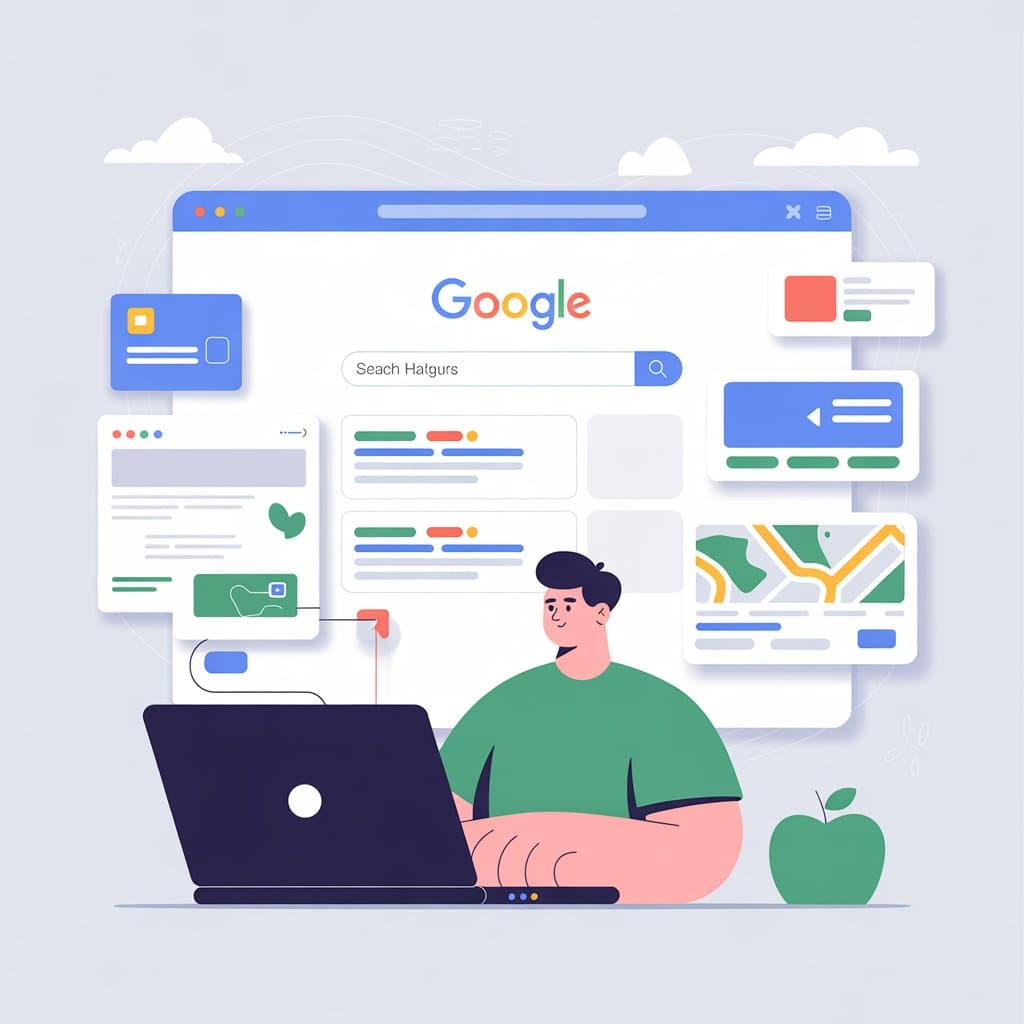
Businesses optimized for AI Overviews gain visibility in all three result types. The same structured content that wins AI citations also improves snippet eligibility and organic rankings.
Learn About AEOImplementation
7-Step AI Overview Optimization Framework
A systematic approach to getting your business cited in Google AI Overviews - from technical foundations to content strategy and authority building.
Audit your AI Overview presence
Search your core queries and document which show AI Overviews, which sources are cited, and where your content appears (or doesn't).
Implement comprehensive schema markup
Deploy FAQPage, Article, HowTo, Organization, and LocalBusiness schema across all relevant pages.
Structure content for extraction
Write clear, factual 40-60 word answer blocks under H2 question headings. AI Overviews extract from these directly.
Build topical authority
Create comprehensive content clusters around your core topics. AI trusts sources that demonstrate deep, consistent expertise.
Optimize for E-E-A-T signals
Add author bios, cite primary sources, display credentials, and maintain factual accuracy across all content.
Earn authoritative backlinks
Links from trusted publications, industry sites, and directories signal authority that AI Overviews weight heavily.
Monitor and iterate
Track your AI Overview citations weekly. Adjust content structure and schema based on which queries cite you and which don't.
FAQ
Frequently Asked Questions
Want to appear in AI Overviews?
We audit your current AI visibility and build a strategy to get your business cited in AI-generated answers.
Get a Free AuditThe YOOM Digital Agency team specialises in AI-era search visibility - SEO, Answer Engine Optimization, and Generative Engine Optimization - for small and medium businesses. All content is researched, written, and reviewed by practitioners with active client experience in digital visibility strategy.
Continue Reading
Deep-dive into the strategies that power AI visibility.


The difference
Why Yoom
Most agencies still focus on websites and traditional SEO. YOOM Digital Agency is built for what's next.
Built for AI search from day one
Most agencies built their practice on traditional rankings and retrofitted AI as an add-on. We started with the question: how do AI systems discover and recommend businesses?
We test what we teach
Every framework we apply has been tested on real deployments. We submit queries to ChatGPT, Gemini, and Perplexity, track which sources are cited, and reverse-engineer the patterns.
We explain the work
We publish the methodology behind every engagement. Our guides on GEO, AEO, and schema are available for anyone - because visibility should be accessible, not locked behind jargon.
Strategy, not just execution
We advise on content architecture, entity positioning, and AI citation strategy with the same depth as an in-house strategist - at a fraction of the cost.