GEO Guide · 2026 Edition
Generative Engine
Optimization (GEO)
The complete guide to getting your business recommended by AI-powered search - ChatGPT, Gemini, Perplexity, and AI Overviews.
What you'll learn
How AI-powered search engines find, evaluate, and recommend businesses — and the specific steps to make yours one of them.
Core Concept
What Is GEO?
Generative Engine Optimization (GEO) is the practice of structuring your digital presence so that AI-powered systems - ChatGPT, Gemini, Perplexity, Copilot, and AI Overviews - can discover, understand, and recommend your business.
Unlike traditional SEO which targets ranked link lists, GEO targets AI-generated answers. When a user asks an AI system for a recommendation, your goal is to be the business that gets cited.
GEO in one sentence
GEO makes your business machine-readable, citation-worthy, and consistently identifiable across every AI platform that influences customer decisions.
How AI Systems Recommend Businesses
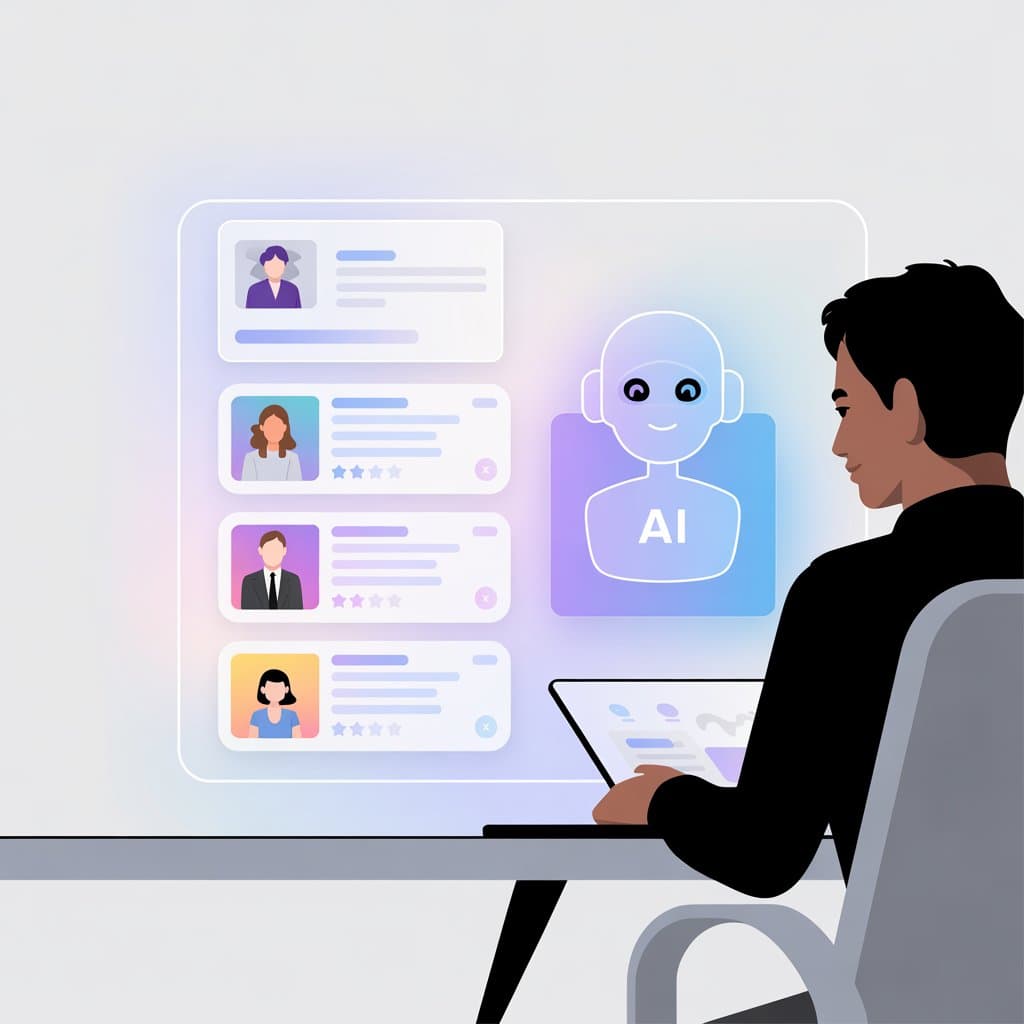
AI follows a four-step process when generating recommendations. GEO optimizes each stage.
Retrieve relevant entities
AI identifies businesses matching the user's query using structured data, Knowledge Graph entries, and indexed citations.
Evaluate trust signals
Entity consistency, schema completeness, review quality, and citation breadth determine AI confidence.
Synthesize an answer
AI generates a natural-language response citing the most trustworthy, relevant entities.
Cite and link sources
The final answer includes source links - this is where your GEO-optimized presence converts AI visibility into traffic.
GEO vs SEO vs AEO
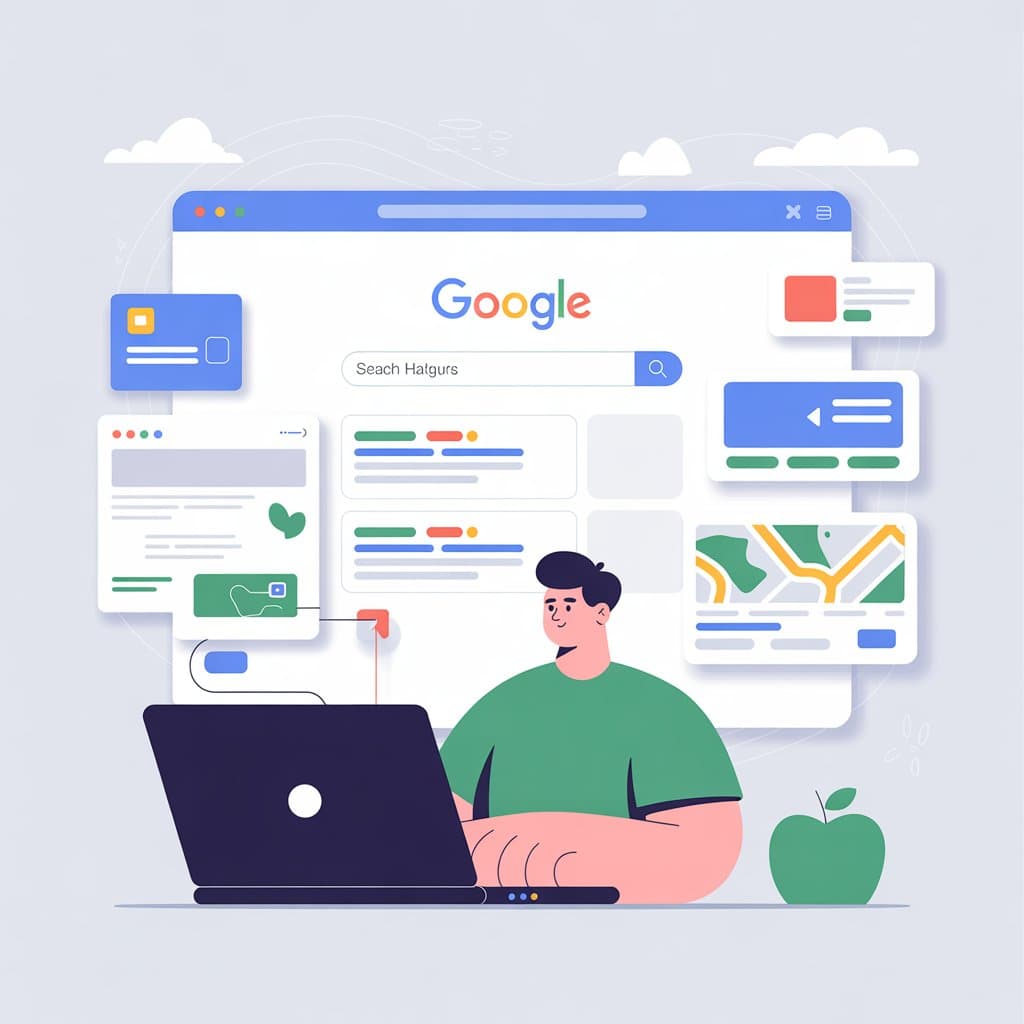
Three complementary disciplines. Each targets a different layer of the search ecosystem.
SEO
Search Engine Optimization
AEO
Answer Engine Optimization
GEO
Generative Engine Optimization
The Framework
The 5 Pillars of GEO
Every GEO strategy rests on five interconnected pillars. Weakness in any one limits the impact of the others.
Entity Definition
Define your business as a clear, unambiguous entity that AI systems can uniquely identify - name, category, services, location.
Structured Data
Implement comprehensive schema markup - Organization, LocalBusiness, Service, FAQPage - so AI can read your business identity directly.
Citation Breadth
Build consistent mentions across directories, news, review platforms, and social media. More credible citations = more AI confidence.
Content Authority
Create factual, question-answering content that AI systems want to cite. Structured, authoritative, and directly useful.
Technical Access
Ensure AI crawlers can access your content. Correct robots.txt, fast loading, mobile-friendly, properly indexed.
How to Get Cited by AI
Practical actions that increase your chance of being recommended in AI-generated answers.
GBP directly feeds Gemini and Google AI Overviews. Verify, add photos, collect reviews, and keep hours current.
Organization, LocalBusiness, Service, and FAQPage schema make your business machine-readable for every AI crawler.
Identical NAP on Yelp, Apple Maps, Bing Places, LinkedIn, and industry directories. Each consistent mention strengthens entity confidence.
Write content that directly answers the questions your customers ask AI systems. Use H2 questions with 40–60 word answers.
Press coverage, industry publications, and review platform mentions build the citation breadth AI needs to recommend you confidently.
Explicitly allow GPTBot, PerplexityBot, ClaudeBot, Google-Extended, and other AI crawlers. Blocking them blocks your visibility.
Your Action Plan
GEO Implementation Checklist
Print this checklist and work through it systematically. Each item directly impacts your AI visibility.
Frequently Asked Questions
Common questions about generative engine optimization.
Ready to start your GEO strategy?
Get a free GEO audit - we'll assess how AI systems currently see your business and where to strengthen signals.
Book Free AuditThe YOOM Digital Agency team specialises in AI-era search visibility - SEO, Answer Engine Optimization, and Generative Engine Optimization - for small and medium businesses. All content is researched, written, and reviewed by practitioners with active client experience in digital visibility strategy.
Continue Reading
Deepen your understanding of AI search optimization.
AI is changing how customers find businesses.
YOOM Digital Agency builds GEO strategies that get businesses recommended by ChatGPT, Gemini, and Perplexity. Start with a free visibility audit.
The difference
Why Yoom
Most agencies still focus on websites and traditional SEO. YOOM Digital Agency is built for what's next.
Built for AI search from day one
Most agencies built their practice on traditional rankings and retrofitted AI as an add-on. We started with the question: how do AI systems discover and recommend businesses?
We test what we teach
Every framework we apply has been tested on real deployments. We submit queries to ChatGPT, Gemini, and Perplexity, track which sources are cited, and reverse-engineer the patterns.
We explain the work
We publish the methodology behind every engagement. Our guides on GEO, AEO, and schema are available for anyone - because visibility should be accessible, not locked behind jargon.
Strategy, not just execution
We advise on content architecture, entity positioning, and AI citation strategy with the same depth as an in-house strategist - at a fraction of the cost.